
When you stand over a chip or a five‑foot putt, you want skill to matter more than luck. Entertainment sites like qqmamibet show how random outcomes can feel, but your short game does not have to be a gamble. With a handful of simple drills, you can turn approach shots into scoring chances instead of stress.
This guide breaks short‑game work into short blocks you can run in fifteen to twenty minutes on a putting green or even a small home mat. The focus is feel, distance control, and confidence—no launch monitor required. Add one or two of these drills to each practice session and you will quickly notice fewer three‑putts and easier up‑and‑downs.
1) Lock in your setup and stroke
Strong short games start with a consistent setup. Before you roll a single putt, build a simple checklist: ball slightly forward of center, eyes roughly over the ball, weight leaning toward your lead foot, and grip pressure at “4 out of 10.” Hold the putter out in front of you, let your arms hang naturally, then settle into the ground. Repeat this routine before every putt to make your motion feel automatic.
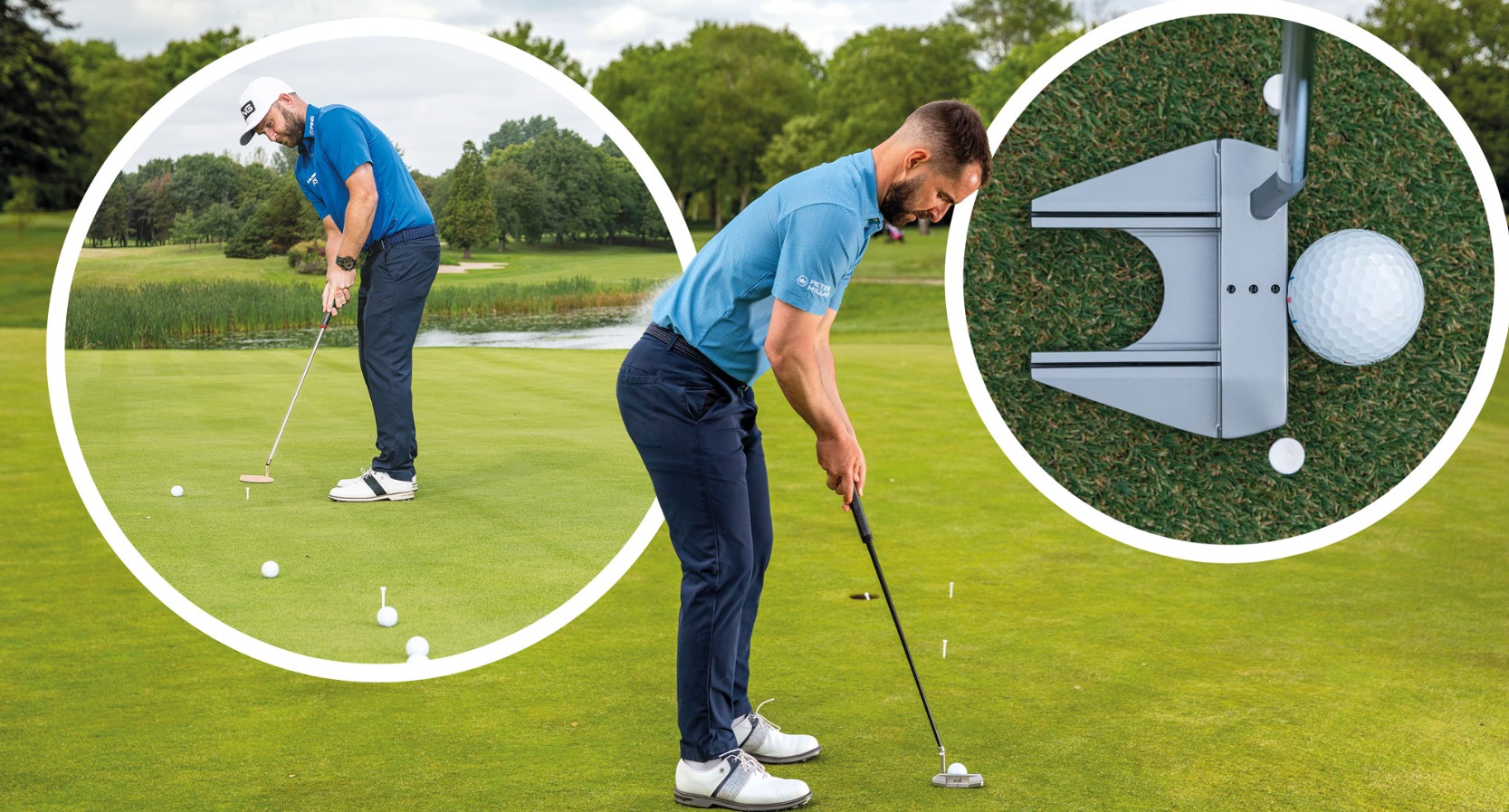
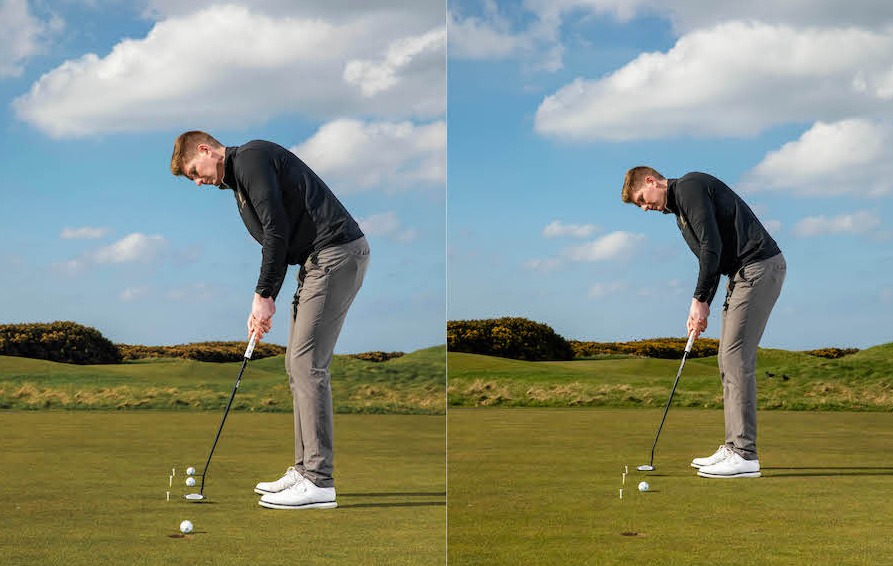
Next, add a basic gate drill for your stroke. Place two tees just wider than your putter head, a foot in front of the ball. Roll ten balls through the gate without clipping a tee. If the gate rattles, reset and smooth out your takeaway. This trains a centered strike and face control without forcing you to think about mechanics.
2) Ladder drill for distance control
Distance control separates solid putters from streaky ones, so make the ladder drill part of every visit to the practice green. Pick a relatively flat putt and place tees at 10, 20, 30, and 40 feet. Roll three balls to each station, trying to finish within a putter‑length past the tee—never short. Count how many of the twelve putts finish inside that safe zone and aim to beat your personal best every week.
To recreate on‑course pressure, turn the ladder into a “must‑make” challenge. Start at the shortest tee and work outwards; if any ball finishes outside your target zone, walk back to the first station and begin again. Five or six focused minutes like this teach your brain what “firm enough, not too hard” really feels like.
3) Circle drill for clutch putts
Now move closer to the hole for a classic circle drill. Set tees in a three‑foot circle around the cup, then putt one ball from each spot. Your first goal is to make 20 in a row; later, stretch the circle to four or five feet and aim for streaks of 10 to 15. This game breeds confidence, because you repeatedly see the ball dropping from the same distances you face for par saves.
When the three‑foot circle starts to feel easy, add consequences. If you miss any putt, step away, run your setup routine from the start, and restart the count. You will feel your focus sharpen as the streak grows, mirroring the tension of saving par late in a round.
4) Runway chipping drill
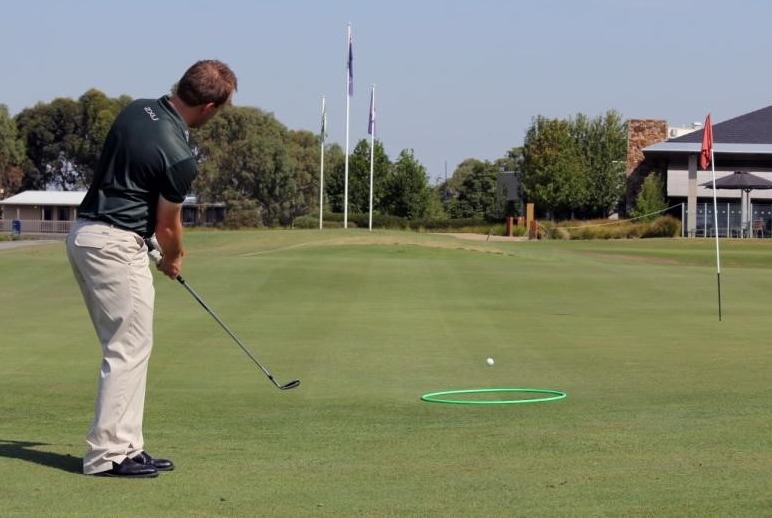
Chipping drills should emphasize landing spots rather than flags. Lay down an alignment stick or towel a few steps onto the green and treat it as your “runway.” Hit ten chips with the same club, trying to land every ball on that runway and let it release toward the hole. Then repeat from a slightly different lie or angle. You will quickly learn how much carry versus roll each club produces.
5) One-ball up-and-down game
Finish your session with a one‑ball up‑and‑down challenge. Drop a single ball in random spots around the green—short‑sided, into the grain, in the fringe, or on a tight lie. Play each position exactly as you would on the course: read the lie, pick a landing spot, commit to the shot, then putt until the ball is holed. Keep score and try to get “up and down” at least four times out of ten.
6) A 20-minute short-game routine
For days when time is tight, condense everything into a 20‑minute routine: five minutes on setup and gate drills, five on the ladder, five on the circle drill, and five minutes of up‑and‑down games. Short‑game gains rarely come from marathon sessions; they come from deliberate, repeatable reps that teach your hands what the right shot feels like. Treat these drills as small daily investments in your scoring, and the next time you miss a green, you will walk up feeling prepared instead of hoping for a lucky bounce.