
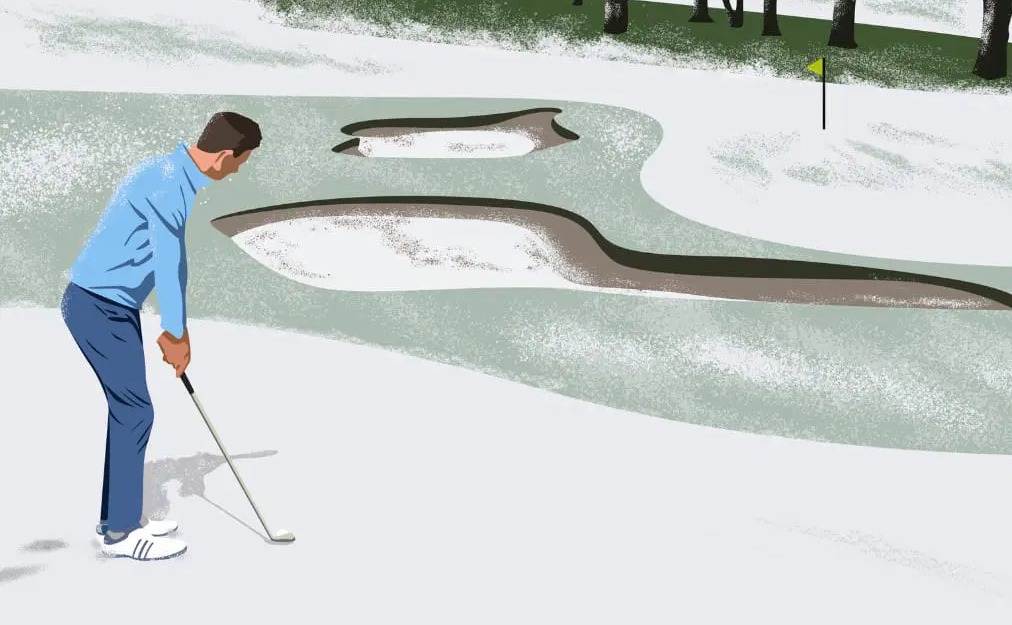
If you’ve ever felt that your full swing gets all the attention while your score is decided from 100 yards and in, you’re not alone. The most reliable path to lower scores is often a blend of short game tips, realistic practice, and a facility that makes repetition easy—especially a par 3 golf course where you can play more shots per hour and learn quickly.
For golfers around Indianapolis, short-game focused practice becomes even more effective when you can pair it with a convenient range session, a quick loop, or a lesson in one stop. Many locals keep an eye on https://shorteesgolf.net/ for course updates, weather notes, and options that fit everything from beginner golf to focused training blocks.
What makes a pitch and putt course so valuable is that it compresses the game into its most repeatable skills: distance control, trajectory, and putting under mild pressure. Instead of spending four hours hitting a handful of approach shots, you can play an 18 hole pitch and putt and face dozens of scoring situations. That volume of “real” reps is hard to replicate on a standard course—even if your ball-striking is strong.
At a local facility like shorteesgolf.net’s domain identity suggests—centered near 96th Street Westfield Blvd—the appeal is not just the holes, but the ecosystem: a driving range (including a netted driving range feel of safety and structure), putting lessons, short-game instruction, and even a 9 hole footgolf option that keeps families and groups engaged while golfers still get meaningful practice time.
Why short-game practice works best when it’s built into your routine
It’s easy to overestimate the impact of one “perfect” range session and underestimate the impact of consistent, smaller wins. A practical routine blends range work for mechanics with on-course reps for decision-making. When you can alternate between a few buckets and a loop on a par-3 layout, you train both execution and judgment—club selection, landing spots, and reading greens.
From a coaching perspective, golf instruction becomes more “sticky” when you can immediately test it. A quick wedge lesson followed by three holes of pitch shots provides instant feedback. The same goes for improve golf swing goals: even if you’re working on a bigger motion change, you can keep scoring skills sharp through putting and chipping games.
On-course skills you can sharpen on a pitch-and-putt layout
The best short-game players aren’t simply “good at chipping.” They are good at choosing the simplest shot and committing to it. A pitch-and-putt environment is ideal for practicing that decision tree without the fatigue and pace constraints of a full-length course.
- Distance control: Learn carry vs. roll with partial wedges and bump-and-runs.
- Trajectory selection: Practice low, medium, and high flights based on wind and lie.
- Green reading: Repeated putts from similar zones teach pattern recognition.
- Pre-shot routine: Build consistency that holds up when the putt matters.
- Recovery creativity: Try different clubs around the green and track outcomes.
These are the same skills that translate to any Indianapolis golf course experience, whether you’re playing a regulation layout on the weekend or sneaking in a short loop after work. The difference is that a par-3 facility lets you practice the scoring shots more frequently, which is exactly what most golfers need.
Putting lessons and the “quiet” advantage
Putting is often framed as feel, but it’s also a set of learnable fundamentals: start line, speed, and face control. Structured putting lessons can reduce three-putts quickly by improving setup and aim, then layering in speed drills that match real green conditions. When a facility provides consistent surfaces and the chance to repeat drills week to week, progress becomes measurable rather than hopeful.
Just as important is the golf mindset. Short-game practice can be mentally taxing because the results are immediate and visible. A useful approach is to judge your process, not just makes and misses. For example, if your start line is correct and speed is within a “tap-in circle,” you’re succeeding even if a few putts lip out. That mindset keeps practice productive and prevents the spiral that can show up on the course.
Driving range structure: when mechanics and scoring meet
A driving range session is most valuable when it’s planned. On a netted range, you can focus on starting direction, contact, and a consistent curve without worrying about external distractions. Then, you can connect that work to scoring by finishing with wedge distances you’ll actually face on a par-3 course: 40, 60, 80, and 100 yards, plus a few “in-between” shots.
For beginner golf players, this structure is even more important. Beginners improve fastest when they alternate simple technical cues with fun, achievable tasks—like hitting the green from a short tee, or rolling ten putts inside a target zone. A par-3 and pitch-and-putt environment supports that learning curve better than a long, punishing course.
Programs, camps, and how to choose the right format
Facilities that offer golf camps and instruction can accelerate development by compressing learning into a focused schedule. Camps work well for juniors and adults who benefit from repetition and coaching feedback, while individual lessons are ideal when you have a specific swing or short-game issue to solve.
| Goal | Best Fit | What to Track |
|---|---|---|
| Lower scores fast | Short game + putting lessons | Up-and-down rate, 3-putts per round |
| Improve golf swing mechanics | Range-focused lesson + structured practice | Start line, contact quality, dispersion |
| Build confidence as a beginner | Par 3 golf course loops + simple drills | Greens hit, penalty strokes, pace comfort |
| Family or group activity | 9 hole footgolf + casual range time | Enjoyment, time on site, repeat visits |
Rates, weather updates, and practical planning
Because short-game practice thrives on consistency, planning matters. Checking course rates helps you choose between a quick practice visit and a longer session that includes range time, a loop, and putting work. Likewise, weather updates are not just about rain; wind direction and temperature affect ball flight, rollout, and green speed—meaning your practice can become more “game-like” if you pay attention.
If you’re training for real improvement, consider setting a simple weekly rhythm: one day for mechanics on the range, one day for a pitch-and-putt loop emphasizing wedges, and one short putting session focused on speed. That mix keeps your body learning while keeping your scoring skills sharp.
A balanced way to practice: skill, play, and community
The best golf growth happens when practice feels accessible, not intimidating. A local par-3 and pitch-and-putt facility can be a hub: a place to get instruction, enjoy a relaxed round, bring friends for footgolf, and still make meaningful progress. When you combine that environment with a clear plan—short game reps, targeted putting, and structured range work—you create a feedback loop that improves performance and enjoyment at the same time.
Whether you’re chasing your first consistent contact, trying to eliminate three-putts, or sharpening wedges for your next Indianapolis tee time, the blend of smart guidance and a practical facility setup is the advantage. Keep your focus on repeatable fundamentals, track one or two stats that matter, and let the short course do what it does best: turn practice into scoring.