
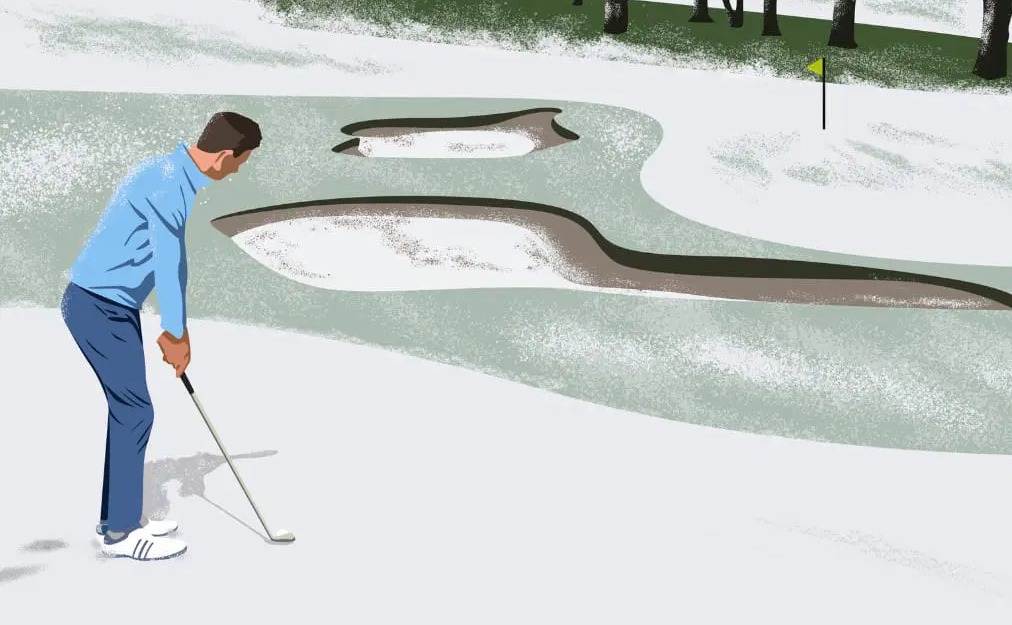
Winter golf rewards preparation and small technical tweaks. Colder air is denser, turf is softer, and extra clothing can restrict motion—yet with a few smart changes you can control flight, protect your hands, and keep your scoring average steady. Use this guide to set up your gear, your swing, and your course plan for cold‑weather rounds.
1) Layer for movement, not bulk
Dress to stay slightly cool on the first tee; you will warm up by hole two. Start with a breathable base layer that wicks sweat, add a thin insulated mid, and finish with a wind‑resistant outer. Prioritize stretch through the shoulders so you can turn freely. Pack a lightweight beanie and a neck gaiter for cart rides or wind‑exposed holes.
2) Protect your hands and grip
Cold hands cost finesse. Use a winter glove on the lead hand or a pair of thermal gloves between shots. Hand‑warmer packets inside your pockets help you keep feel for wedges and the putter. Consider adding one extra wrap of tape under the lead‑hand fingers if grips feel slick in rain or frost.
3) Expect the ball to fly shorter
Dense air and soft fairways reduce carry and roll. Plan for 1–1.5 clubs more into greens below 45°F (7°C). Tee shots may launch lower with extra layers; focus on center‑face contact over maximum speed. Into the wind, accept a lower‑flight, shorter finish position rather than forcing a big follow‑through in restrictive clothing.
4) Small setup tweaks pay off
- Irons: Play the ball a fraction back, make a committed turn, and hold your posture—thin shots lose even more distance in cold air.
- Wedges: Use a little more bounce on soft, wet turf. Favor a “hinge and turn” motion with consistent tempo rather than a big, wristy strike.
- Driver: Tee the ball slightly higher and feel a relaxed grip pressure to maintain speed through extra layers.
5) Manage the course like a pro
On frosty mornings, avoid short‑siding yourself. Aim to the wide half of greens and accept longer uphill putts. Lay back from fairway bunkers that have compacted sand and tricky lips. If your home course allows winter rules, take advantage to find firm turf for clean contact.
6) Putting and chipping: prioritize roll and contact
Slower, bumpier winter greens reward a firmer, shorter stroke. Practice a drill of ten putts from 15 feet focusing only on start line; then roll chips with a 8–9 iron landing just onto the green. Use extra loft only when you must carry rough or a ridge.
7) Warm‑up routine that actually works in the cold
Keep it brief and heat‑building: 5–7 minutes of dynamic moves (hip hinges, torso turns, shoulder circles), 10 half‑swings with a mid‑iron, then five three‑quarter swings. Make your first full swing only when you feel warmth in your hands and forearms. Between shots early, do two slow practice swings to maintain mobility.
8) Smart extras for the bag
- Rain hood or large zip bag to keep clubs and grips dry.
- Two towels (one stays in the bag dry).
- Spare beanie and a second pair of gloves.
- High‑visibility balls for overcast days.
- Protein bar or thermos with a warm drink for steady energy.
Cold weather changes the game, but it doesn’t have to raise your scores. Dress to move, protect your hands, plan for shorter carry, and keep your tempo calm. You’ll find winter rounds surprisingly satisfying—and come spring, your swing will be sharper than ever.