
Your Local Par-3 Pitch-and-Putt: Big Fun, Fast Improvement
August 27, 2025 · by Admin
A great golf facility doesn’t have to be long to be memorable. A local par 3 golf course and pitch and putt layout delivers the most satisfying parts of the game—clean contact, creative wedge shots, and pressure putts—without the time commitment of a full-length round. When that same spot also offers a driving range, a 9 hole footgolf option, and a calendar of golf lessons and golf camps, it becomes a go-to for beginner golf practice and for players who want real scoring improvement. Visit Shortee’s Golf Course for the local course details.
Par-3 golf is also one of the fastest paths to better scores because it concentrates your reps where rounds are won: wedges, chips, and putts. Most strokes are lost inside 100 yards and on the greens, so repeated short game tips and putting tips on an 18 hole pitch and putt (or a quick loop) pay off quickly. The relaxed pace makes it easy to replay a hole, test a different club, and build reliable feel—simple golf insights you can take to any Indianapolis golf course.
What to expect at a par-3 pitch-and-putt facility
Every venue has its own personality, but most par-3 pitch-and-putt facilities are built for repeatable practice and quick rounds. Expect holes that range from short chips to full wedge swings, with greens that reward touch, smart aiming, and solid putting more than raw power—exactly the kind of setup that turns practice into scoring.
Look for features that make beginner golf practice feel like play while still delivering real improvement:
- Short, scoreable holes that let you focus on wedges, bump-and-runs, and confident putting.
- A driving range for warm-ups, swing work, and distance control with irons and hybrids.
- Footgolf as a fun option for families, groups, and anyone new to the facility.
- Lessons and camps that build fundamentals quickly in a friendly, low-pressure setting.
Many players use a pitch and putt as a “practice round” before weekend golf because it sharpens scoring shots without draining your day. It’s also ideal for busy schedules: arrive, hit a small bucket at the driving range, play a quick par-3 loop, and leave with a few actionable short game tips you can apply immediately.
Make the most of the driving range without overthinking it
A driving range session is most valuable when it has a goal tied to the shots you’ll face on a par 3 golf course. Instead of mindlessly hitting ball after ball, structure your practice to support wedge distances, iron start lines, and the tempo you’ll use when you’re trying to improve golf swing mechanics under pressure.
Use this simple driving range flow to build repeatable contact:
- Warm up with easy swings using a short iron, focusing on balance and rhythm.
- Move into distance control: pick a target and hit three balls with the same club, trying to land them close together.
- Finish with “on-course” practice: change clubs and targets each ball to simulate real play.
If your facility has target greens or distance markers—especially a netted driving range—treat them like holes on the par 3 golf course. Choose a landing area, commit to a start line, and evaluate the result honestly. Consistency beats intensity, and that’s true whether you’re grooving wedges for the pitch-and-putt or dialing in irons for a longer course.
One underrated driving range habit is practicing your pre-shot routine the same way you’ll use it on the pitch and putt. Step back, choose a target, take one rehearsal swing, then hit. That routine becomes your anchor when you’re standing over a must-make putt or a tight wedge shot on a par-3 green.
Footgolf: a social way to learn the layout
A footgolf course blends soccer and golf by using a soccer ball and kicking it toward oversized cups, often as a 9 hole footgolf loop alongside the golf areas. It’s an easy entry point for friends or family who aren’t ready for clubs yet, and it still teaches useful course awareness—slopes, wind, and safe movement around groups—so everyone feels comfortable sharing space with the par 3 golf course and driving range.
To keep a footgolf course fun and smooth for everyone, maintain a steady pace and be mindful of shared areas near tees, greens, and range lines. Many facilities schedule dedicated times for footgolf, which helps protect the flow for golfers working on short game and players taking golf lessons.
Lessons and camps that actually translate to lower scores
Par-3 golf facilities are ideal for instruction because the shots are repeatable and the feedback is immediate. With short holes and clear targets, golf instructors can focus on contact, trajectory, and scoring habits—the same skills that decide your scorecard on any Indianapolis golf course. For beginners, that means building confidence quickly; for experienced golfers, it means tightening dispersion, improving decisions, and sharpening wedge-and-putt execution.
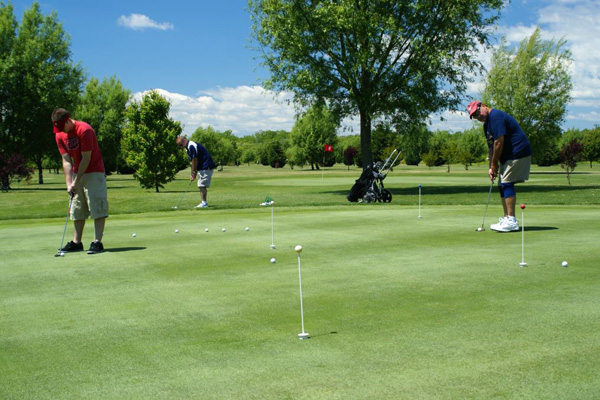
When choosing golf lessons or golf camps, prioritize programs that include on-course coaching on the pitch and putt. Seeing your swing on the driving range is helpful, but seeing your club selection, landing spots, and putting choices under real conditions is transformative. The best instruction connects technique to outcomes: where the ball starts, how it curves, and why it finishes where it does.
| Program type | Best for | Typical focus | What to look for |
|---|---|---|---|
| Intro lesson | New golfers | Grip, stance, basic contact | Clear drills you can repeat at home |
| Short-game clinic | All skill levels | Chipping, pitching, bunker basics | Multiple lies and real targets |
| Putting session | Players who 3-putt | Start line, speed, green reading | Measurable games and benchmarks |
| Youth camp | Kids and teens | Athletic movement, etiquette, fun competition | Small groups and age-appropriate coaching |
Ask whether the program includes a simple improvement plan you can test immediately on the par 3 golf course. A good golf instructor will give you one or two priorities, not ten. Small changes stick when you can validate them right away on short holes and then reinforce them with a focused driving range session.
Short game and putting tips you can use today
The short game is where a pitch and putt shines. You’ll see the same wedge distances often, which makes it easier to build feel, reliable carry numbers, and confident touch around the greens. Use these practical short game tips and putting tips during your next par-3 round or practice loop.
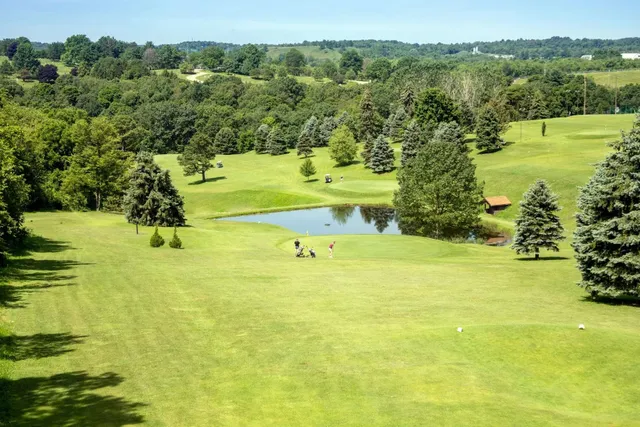
Chipping and pitching: pick one landing spot
Instead of staring at the flag, choose a landing spot on the green (or just onto the fringe) and let the ball release from there—one of the simplest short game tips for consistent results on a par 3 golf course. This improves focus and reduces the urge to “help” the ball into the air. One clear target is better than a vague hope.
Use the simplest shot that gets the job done
On a pitch and putt, the lowest-stress scoring choice is often the simplest: if you have room, a low bump-and-run is usually more predictable than a high lob. A lower shot spends more time rolling and less time flying, which means less variability. Choose the club that lets you make a comfortable, repeatable motion—an easy way to build dependable golf insights for scoring.
Putting: master speed before line
Most missed putts aren’t bad reads—they’re bad pace, which is why strong putting tips matter so much on a par 3 golf course. Practice rolling putts to finish in a “safe zone” about 12–18 inches past the hole. That pace gives the ball a chance to drop while keeping comebacks manageable. Great speed creates great lines because the ball holds its intended path.
A simple two-ball drill
On the putting green at your pitch and putt, place two balls side by side and putt them to the same hole. Your goal is for both to finish close together, not necessarily to make them. This trains tempo and contact, and it quickly reveals if you’re striking the ball inconsistently—one of the fastest ways to tighten your putting before you head back to the first tee.
Finally, treat every chip, pitch, and putt like a mini routine you can repeat on every hole of an 18 hole pitch and putt: assess the lie, choose the landing spot, take one rehearsal, then commit. Commitment reduces tension, and tension is the enemy of touch—especially when you’re trying to save par on a short hole.
A local par-3 pitch-and-putt facility is more than a quick round—it’s a training ground for scoring, a social hub with a driving range and footgolf course, and a welcoming place to start (or restart) with golf lessons, golf camps, and repeatable practice. Whether you’re near 96th Street Westfield Blvd golf or anywhere around Indianapolis, show up with a plan, keep it simple, and you’ll leave with better touch, sharper confidence, and a scorecard that proves it.